


What is the Process for Applying for a Lithium Battery MSDS?
A lithium battery MSDS, also known as SDS (Safety Data Sheet), is an essential compliance document for lithium battery export, transportation and customs declaration. It records hazard classification, storage requirements, emergency response measures and chemical information of lithium cells and packs. Many foreign trade clients are unfamiliar with the standard procedures, so we sort out the complete preparation steps below.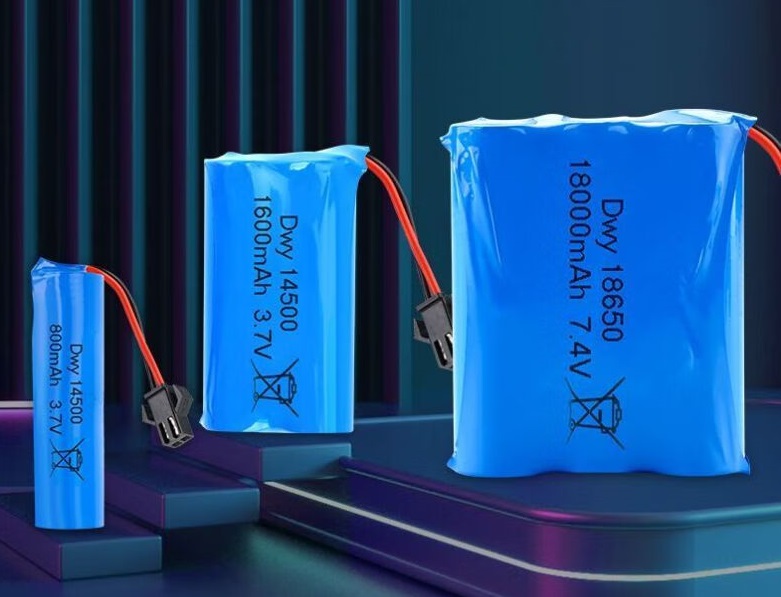
The first step is consultation and document preparation. You need to confirm the target country and required language version of the SDS. Prepare product information including battery model, rated voltage and capacity, cell chemistry, electrolyte composition and manufacturer details, and fill out the application form. If you have a valid UN38.3 test report, submit it together to support accurate hazard classification. Uni-lab will check your materials in advance to reduce delays caused by missing information.
The second step is hazard evaluation and project confirmation. Our compliance specialists carry out hazard assessment following the GHS Globally Harmonized System of Classification and Labelling of Chemicals. We will confirm whether additional physical and chemical tests are required. After confirming the scope, turnaround time and quotation, the service agreement will be signed and the project will start. For most lithium batteries, SDS can be prepared directly with complete data without extra testing.
The third step is SDS drafting. The document is compiled strictly following the standard 16 sections of MSDS, covering hazard identification, composition information, first-aid measures, fire-fighting guidance, spill handling and transport provisions. The content complies with international dangerous goods rules for air and sea transport to avoid customs rejection.
The fourth step is internal review and approval. The draft will be double-checked by senior compliance engineers. We verify hazard classification, transport clauses and translation accuracy. Once approved, the official electronic MSDS will be issued for forwarding to freight forwarders and customs brokers.
The last step is report delivery and follow-up maintenance. Please note that the SDS must be updated if the battery formulation, production process or relevant regulations change. Uni-lab offers continuous regulatory tracking services to keep your lithium battery safety document valid for global exports.


